Migrating ~1,000 articles without SEO loss
Every article had accumulated search equity over years. Migrating meant URL mapping, redirect planning, metadata preservation, and structured content migration with zero tolerance for 404s or ranking drops.
WordStream is one of the most-trafficked PPC education platforms on the web: over a thousand articles, a suite of marketing tools, and an editorial team that needed an admin they could actually use. The platform had outgrown its stack. RTW was brought in to migrate the entire property to WordPress, redesign the frontend, and build the admin tooling layer the team had been working around for years.

WordStream built its reputation as a reference destination for PPC marketers: a content library of over a thousand articles covering Google Ads, paid search, and digital marketing, backed by free tools that drove organic traffic and lead generation. The problem was the platform running underneath it. A legacy stack with an admin interface that required workarounds for basic editorial tasks, limited flexibility for promoting the marketing tools, and a blog experience that made content hard to find.
RTW was brought in to do three things at once: migrate the full content library to WordPress without losing page search ranking, redesign the frontend experience for readers, and build the admin tooling the editorial and marketing teams had been working around for years. The migration alone - roughly 1,000 articles, years of accumulated SEO equity, landing pages, and tool integrations - required careful URL mapping, redirect planning, and content structure decisions before new code was written.
The result is a platform the editorial team can actually manage. A custom WordPress build with a mega menu, category-based blog filtering, and content promotion widgets designed around how WordStream's marketing team actually works. The blog redesign improved content discoverability. PPC tool pages were rebuilt around clear conversion paths, and the frontend was brought up to the standard readers expect from a modern marketing platform.
Every article had accumulated search equity over years. Migrating meant URL mapping, redirect planning, metadata preservation, and structured content migration with zero tolerance for 404s or ranking drops.
The frontend was outdated in design and technology. Rebuilding it meant balancing SEO, readability, conversion paths, and development velocity alongside the active migration.
The existing admin required daily workarounds. The new interface had to make content creation, tool promotion, and category management faster against how the team actually worked.
Readers needed to find articles by topic, intent, and format without paginating through results. A category-based filtering system had to be designed from scratch.
PPC tools were embedded in the content experience. The redesign had to improve conversion paths without disrupting editorial flow or making tool promotion feel bolted on.
Search visibility was the platform primary traffic driver. Any missing redirect, changed URL pattern, or stripped metadata field was a direct revenue event.
The stakes of a content migration are asymmetric. You can redesign a page. You can improve an admin tool. You cannot unlose organic traffic. The engagement was structured around that reality: SEO mapping first, migration second, redesign third, admin tooling fourth.
Audited content structure, URL patterns, SEO performance, and admin workflows. Mapped every article URL to its new destination before development began.
Set up the WordPress environment, planned the custom theme architecture, and defined article types, taxonomy structure, PPC tool templates, and admin capability requirements.
Ran migration in batches with redirect verification at each stage. Content, metadata, URLs, and internal links were checked before each batch was cleared.
Built the new frontend across homepage, blog, PPC tool pages, and category pages, with improved typography, responsive layouts, and contextual tool CTAs.
Built the admin experience the editorial team needed: mega menu controls, category-based blog filtering, and content promotion widgets configurable without developer support.
Joint QA with WordStream teams, full redirect audit, SEO metadata verification across the article library, performance testing, and launch with no P1 incidents.
The migration was the highest-stakes part of the engagement. WordStream traffic depended heavily on organic search, so every URL was mapped before migration began, every article moved in verified batches, and every redirect was tested before the corresponding content went live.
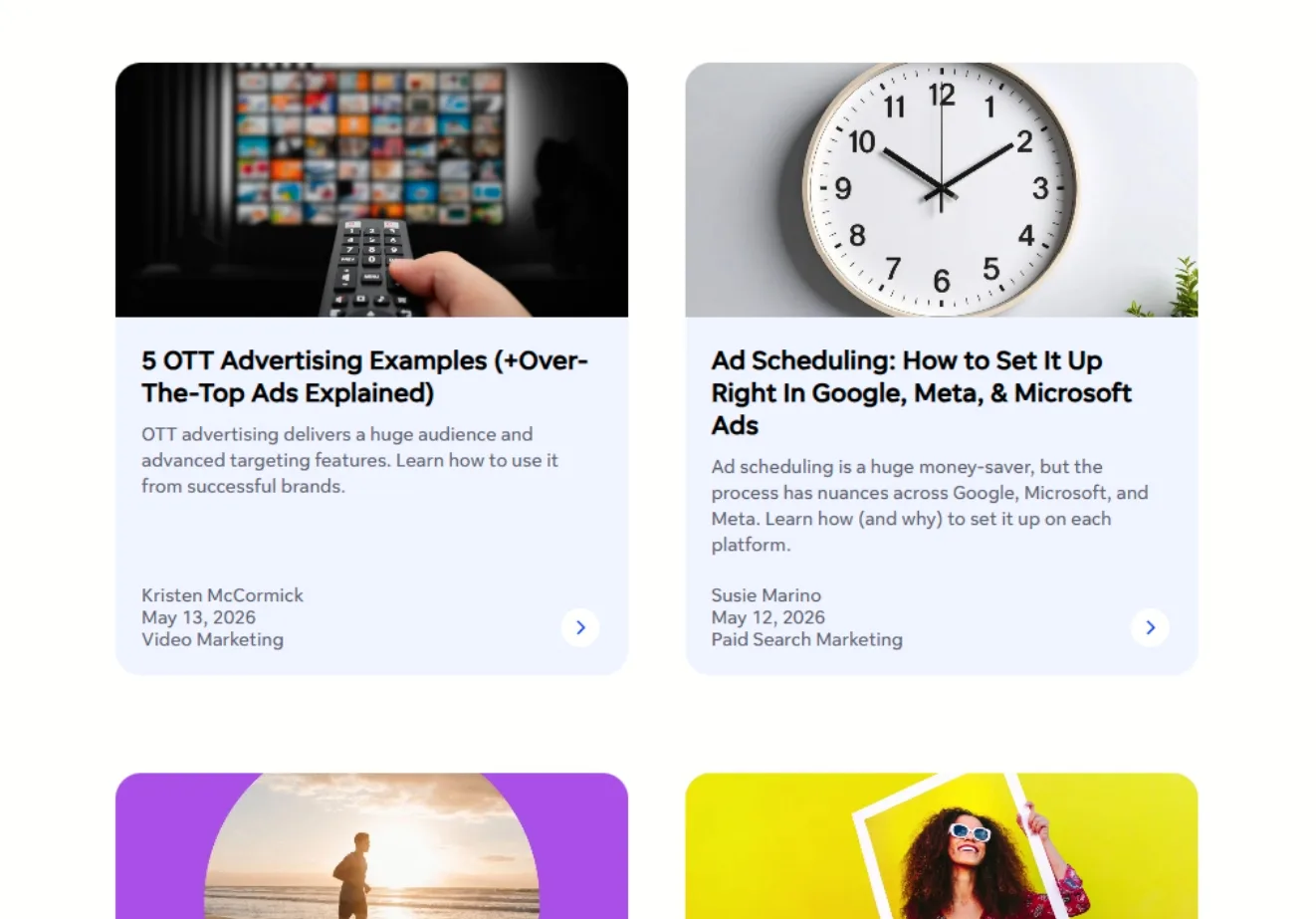 MIGRATION - ~1,000 ARTICLES
A content library of that size needs a filtering layer or it becomes effectively unsearchable. RTW built category-based filtering so readers could narrow by topic, channel, and content type without leaving the blog index.
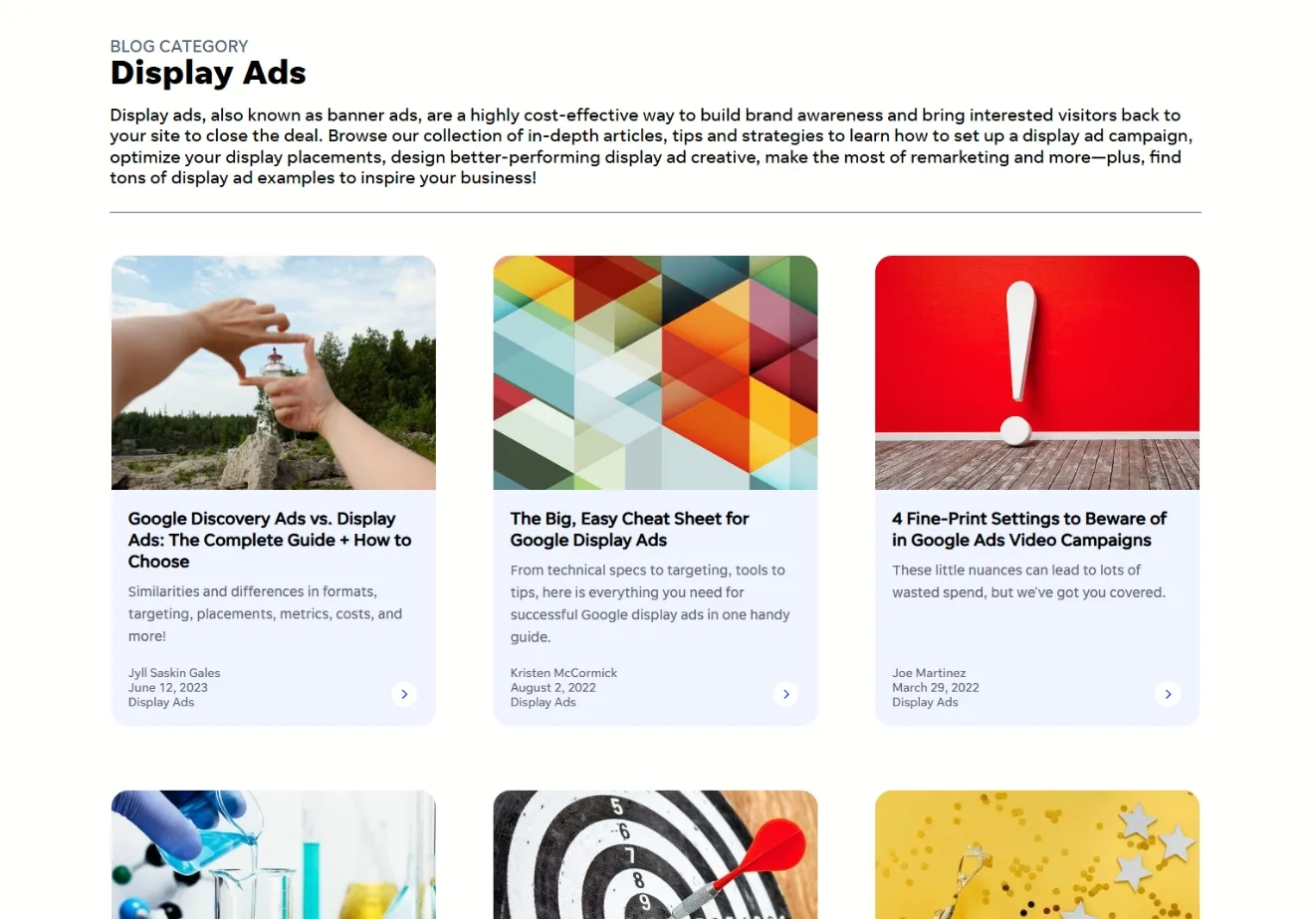 BLOG - CATEGORY FILTERING
The editorial team interacted with the admin every day. RTW built a custom WordPress admin experience from workflow analysis: mapping what editorial and marketing actually needed to do and designing tooling around those tasks.
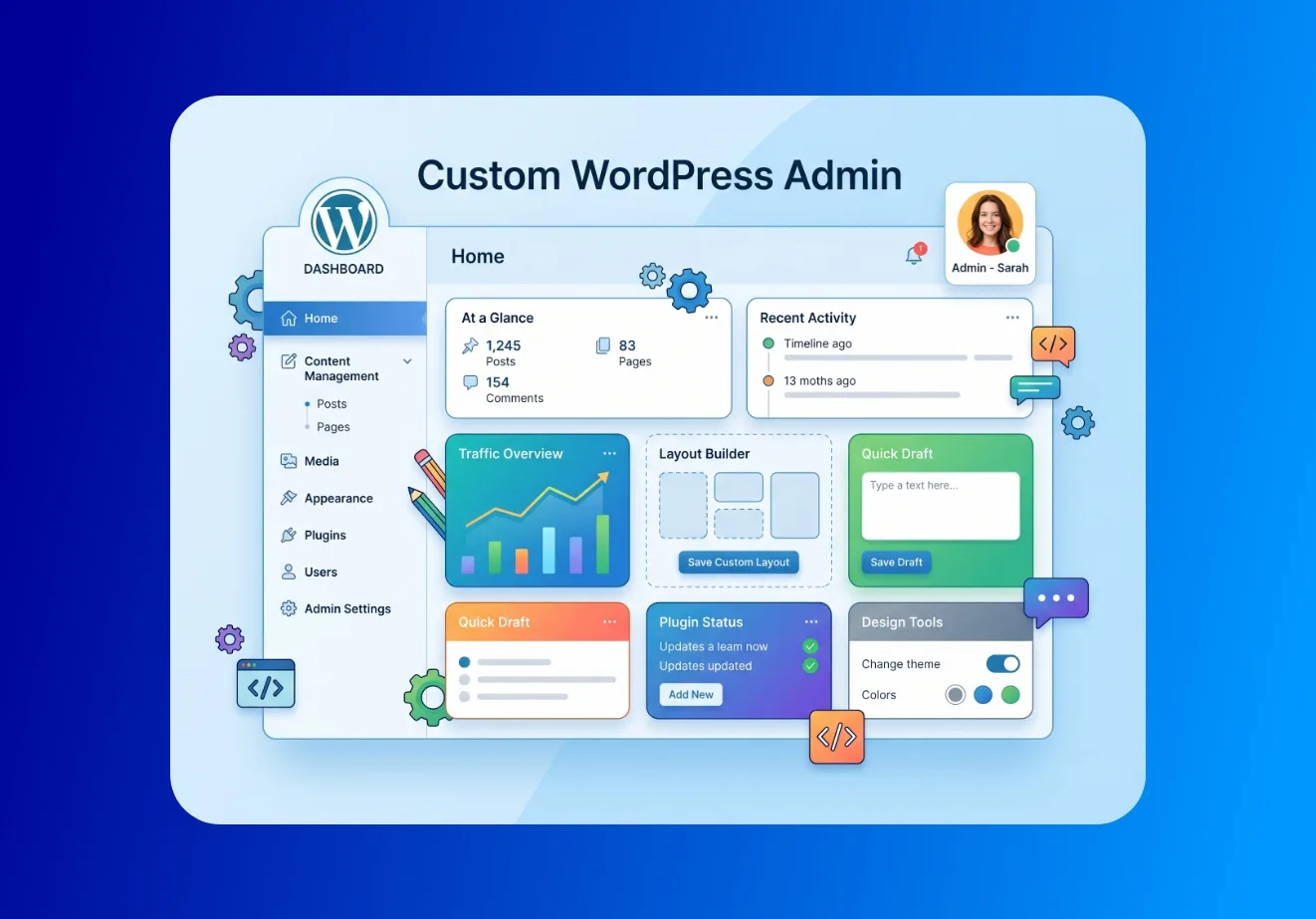 ADMIN - CUSTOM TOOLS
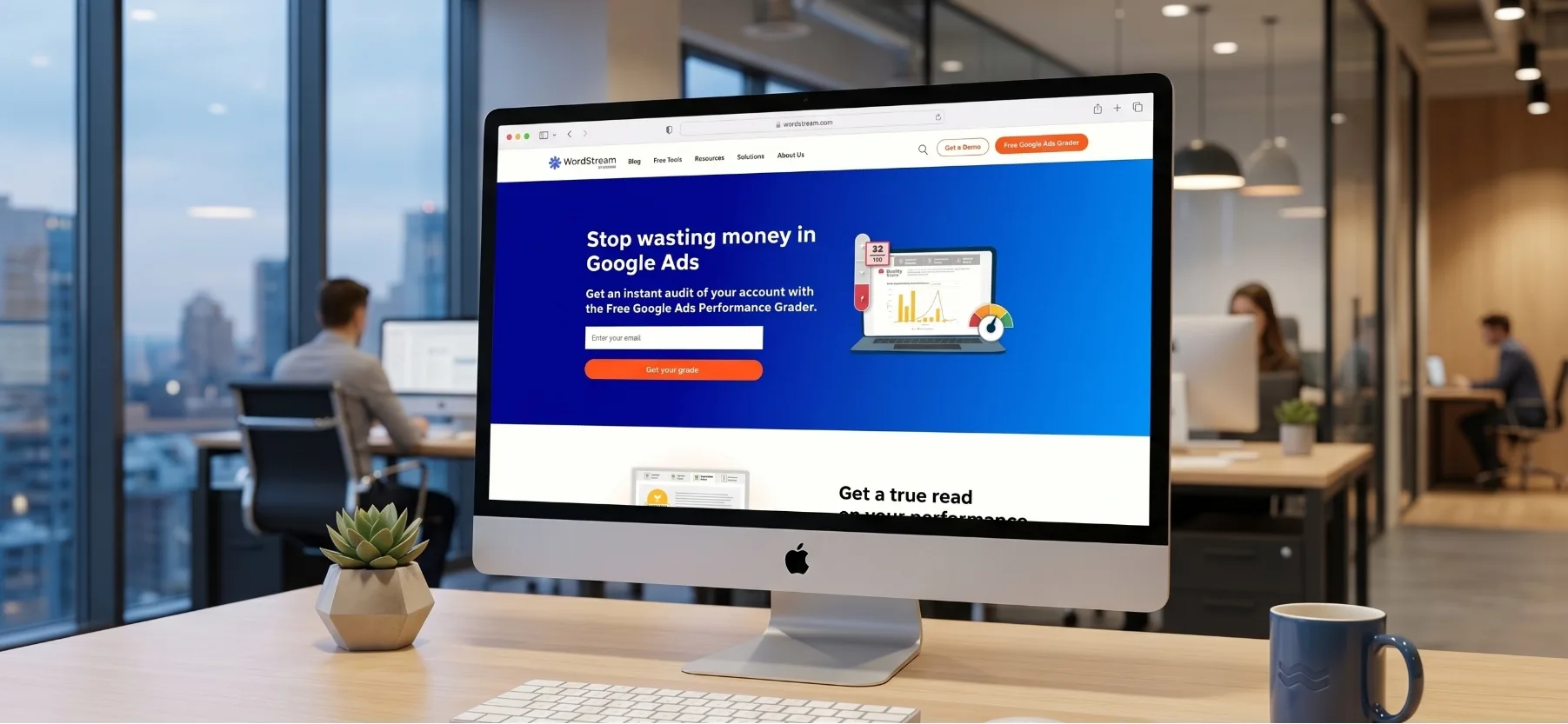 01 / Blog homepage - redesigned content discovery
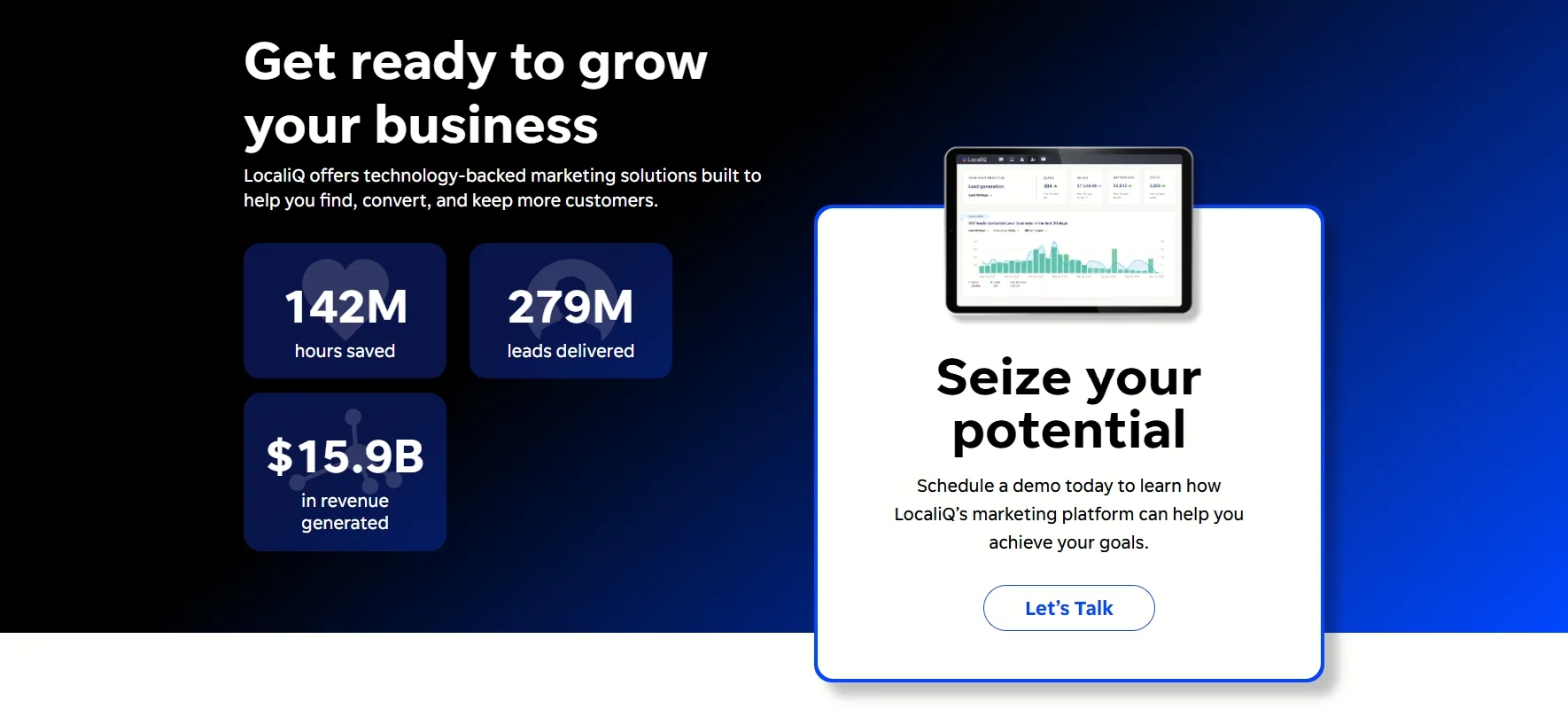 02 / Category filtering - 1,000+ articles organized
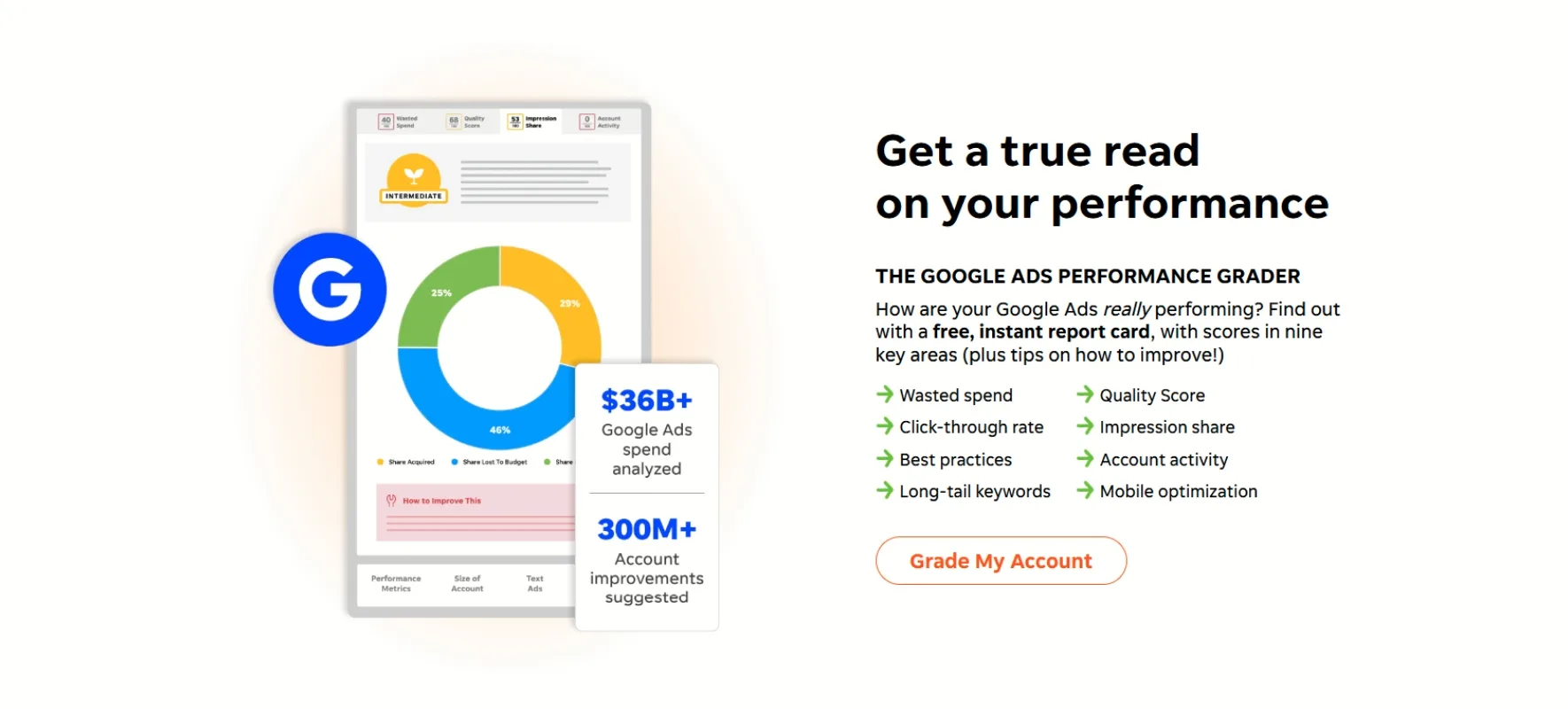 03 / PPC tool pages - improved conversion paths
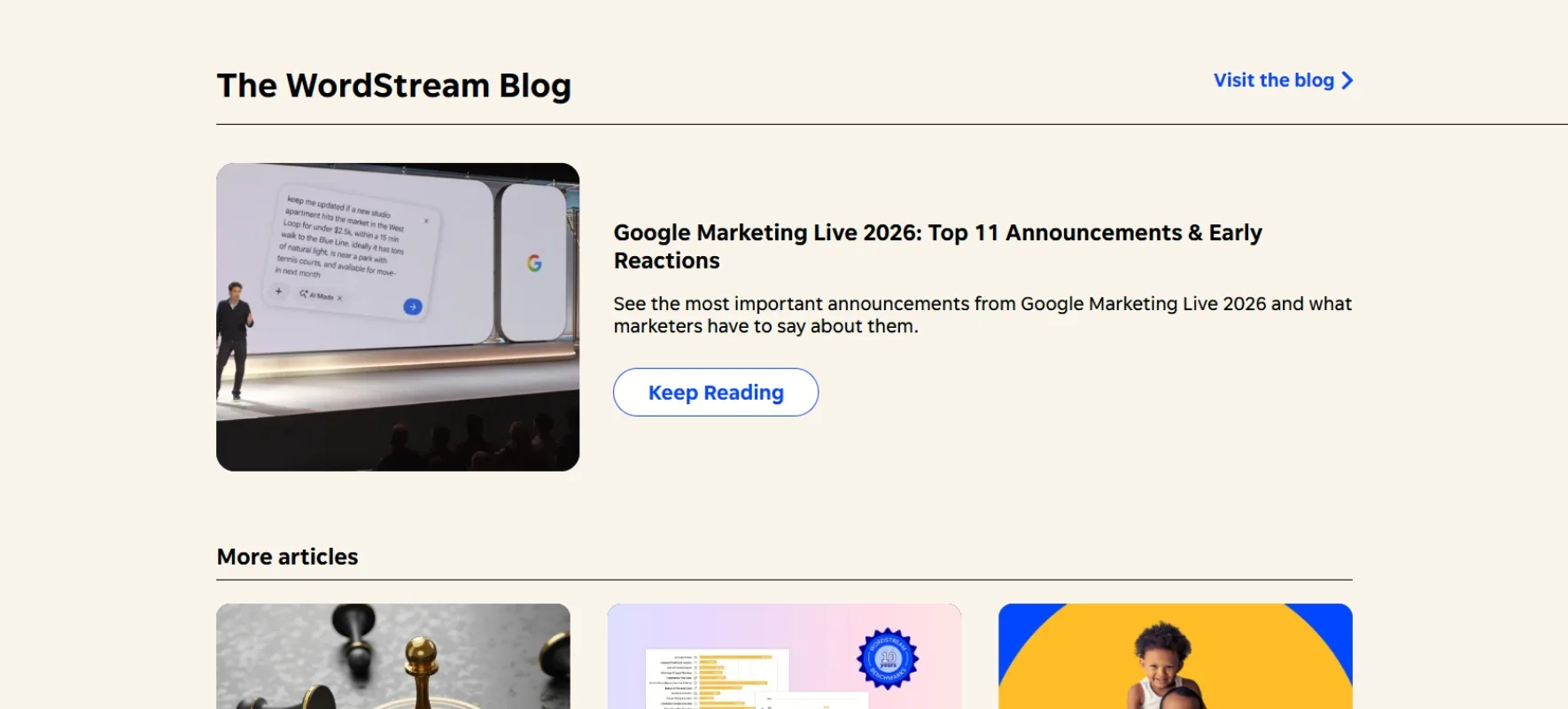 04 / Custom admin - mega menu + content widgets
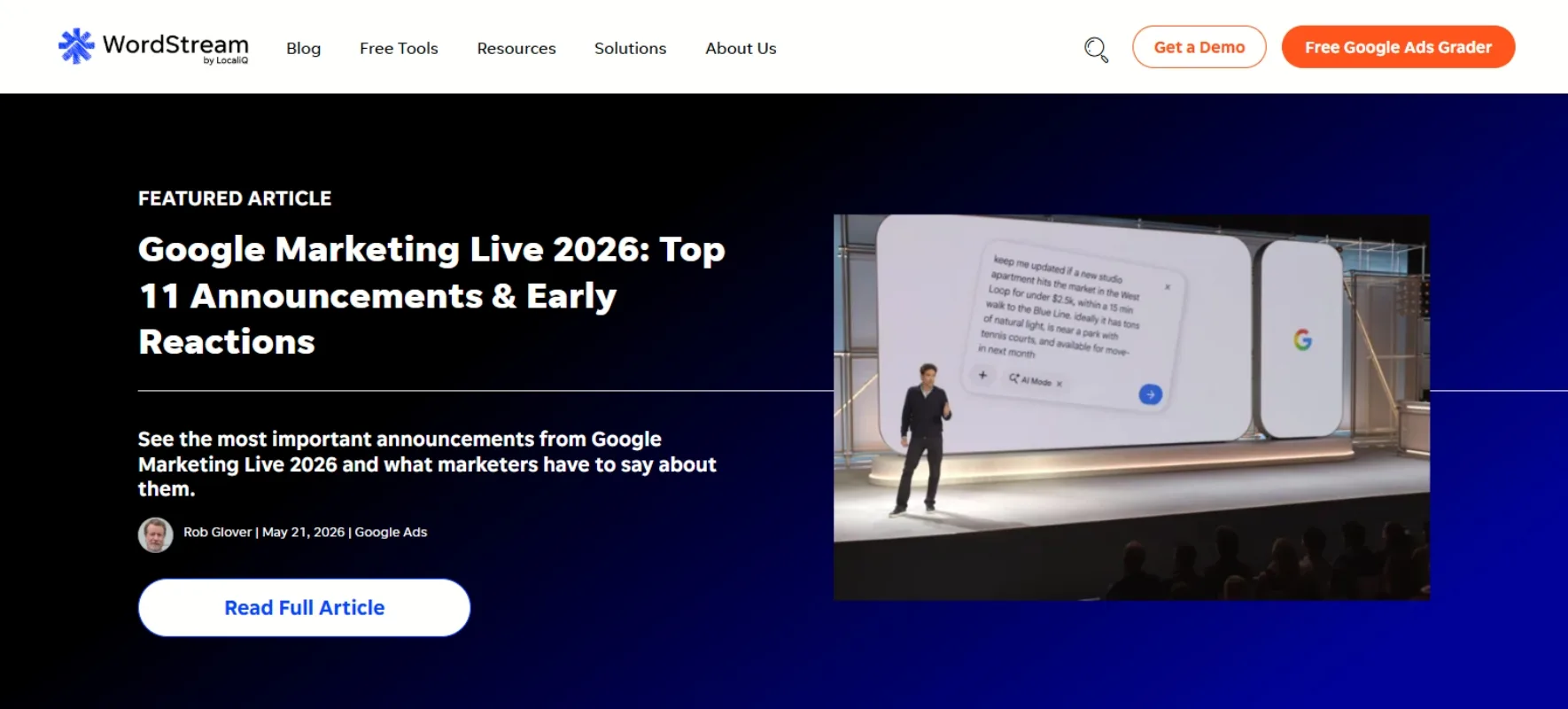 05 / Mobile layout - responsive blog experience
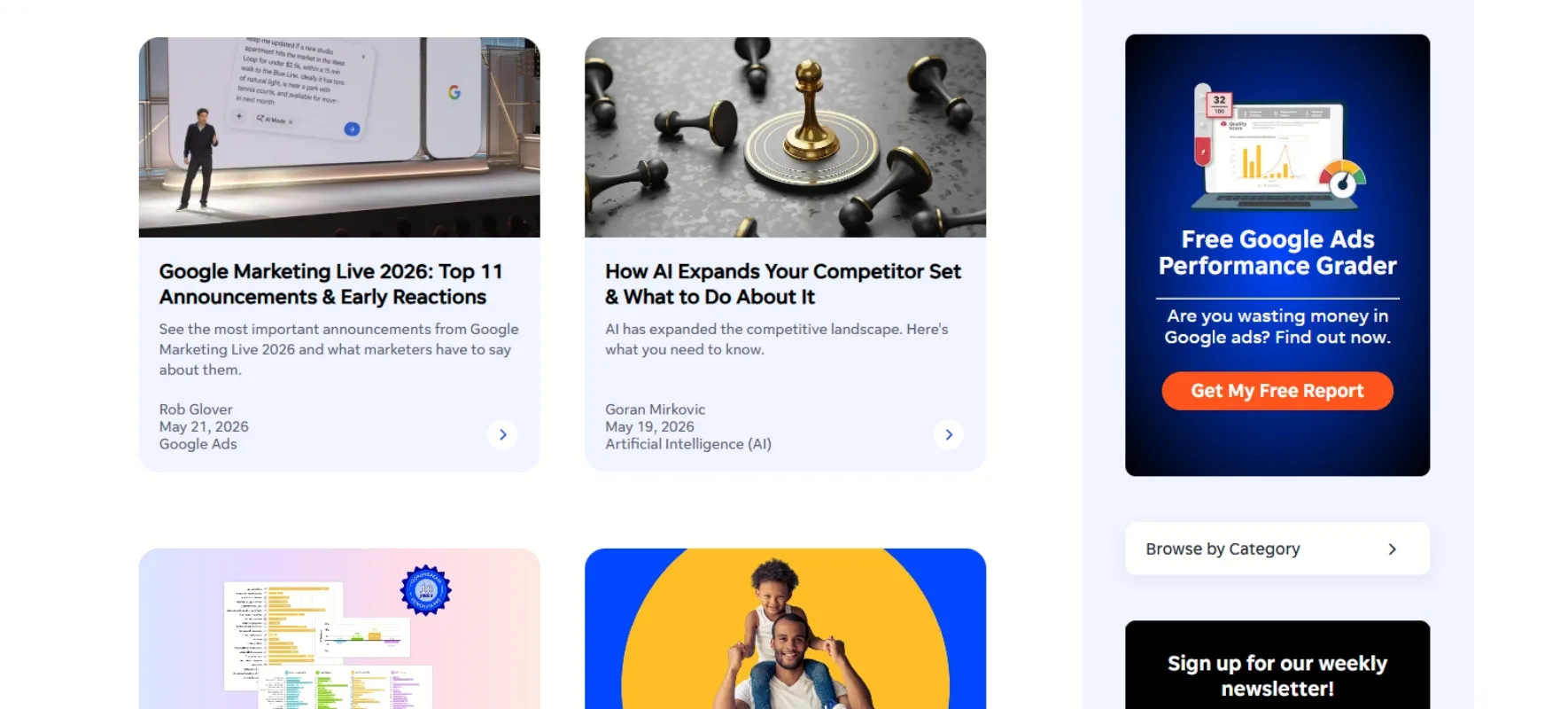 06 / Article page - redesigned reading experience
A thousand articles, years of SEO equity, a team that uses the admin every day: you do not get a second chance at the cutover. If your platform has outgrown what it is running on, we would like to hear about it.