2012
RTW opens in Reston.
Jeff starts the studio after Booz Allen Hamilton, with a small client base and a practical focus: solve the technical problem, then stay close enough to support it.
Reston Tech Wiz is a senior digital engineering studio in Reston, Virginia. Since 2012, we have built and supported websites, software, dashboards, integrations, AI workflows, and custom systems for clients who need practical technical judgment before and after launch.
Reston Tech Wiz started after founder Jeff Schreibman left Booz Allen Hamilton, where he spent five years as a high-tech Senior Consultant. That background shaped the studio from the beginning: practical engineering, clear communication, and a bias toward systems that keep working after the first version ships.
Since then, RTW has grown carefully. The studio is large enough to handle serious web, software, dashboard, AI, mobile, integration, and support work, but still small enough that clients are not passed through layers of account management before reaching the people who understand the system.
That is the advantage of a focused engineering studio. You get senior technical judgment, direct access, and personal service without the friction of a large agency structure. Reston Tech Wiz brings enterprise-level discipline to digital work that still needs to feel close, practical, and accountable.
That is the whole pitch, really. We are senior engineers who decided to stay small, stay close, and stay in the work.
Jeff starts the studio after Booz Allen Hamilton, with a small client base and a practical focus: solve the technical problem, then stay close enough to support it.
A scheduling system for a DC-area logistics client moves RTW from project work into systems clients rely on every day. Still live today.
RTW hires its first full-time engineers and moves into Winterport Cluster, expanding the work without turning it into a large-agency model.
The retainer approach is formalized so shipped systems have a clear path for updates, fixes, improvements, and real engineering context after launch.
RTW adds deeper product and interface work, because serious systems need more than code: they need flows, structure, usability, and scope discipline.
RTW now works across web platforms, WordPress, mobile apps, dashboards, AI workflows, integrations, custom systems, signage, hosting, and long-term support.
Our values are not decoration. These are the principles that shape how we scope, build, launch, and support the work.
The people making the technical decisions stay involved from scope to support.
Real work starts when users, updates, edge cases, and business changes arrive.
We choose tools and patterns for the job they need to survive, not the trend they came from.
Clear scope protects the budget, the timeline, the work, and everyone depending on it.
Good digital work needs more than implementation. It needs scope, architecture, interface decisions, infrastructure, integrations, and support thinking in the same room.
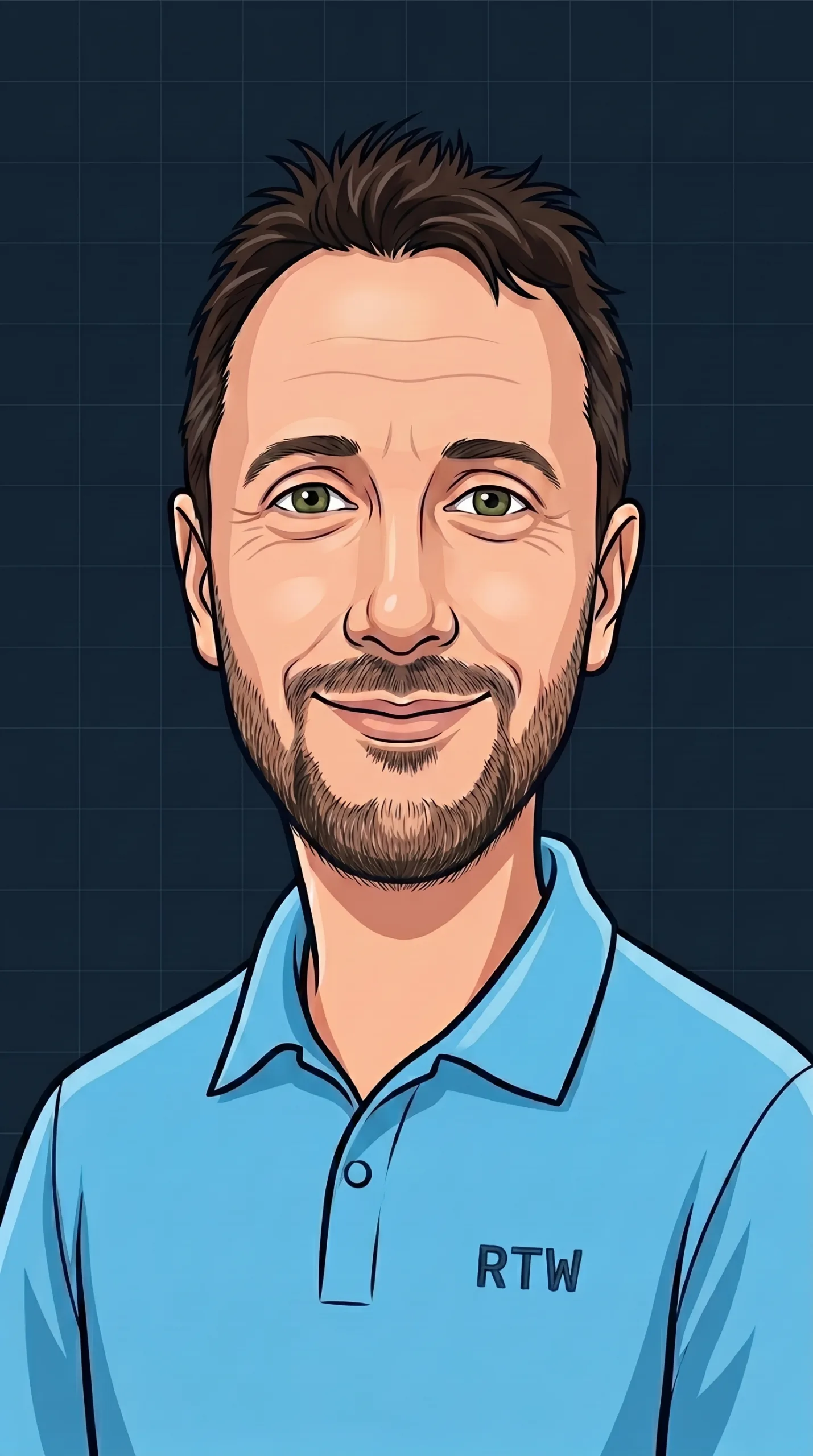 Founder
#001
Founder
#001
Big ideas, big energy, and somehow still finds time to ask "quick question?" before changing the whole plan.
Quick question. Probably not quick.
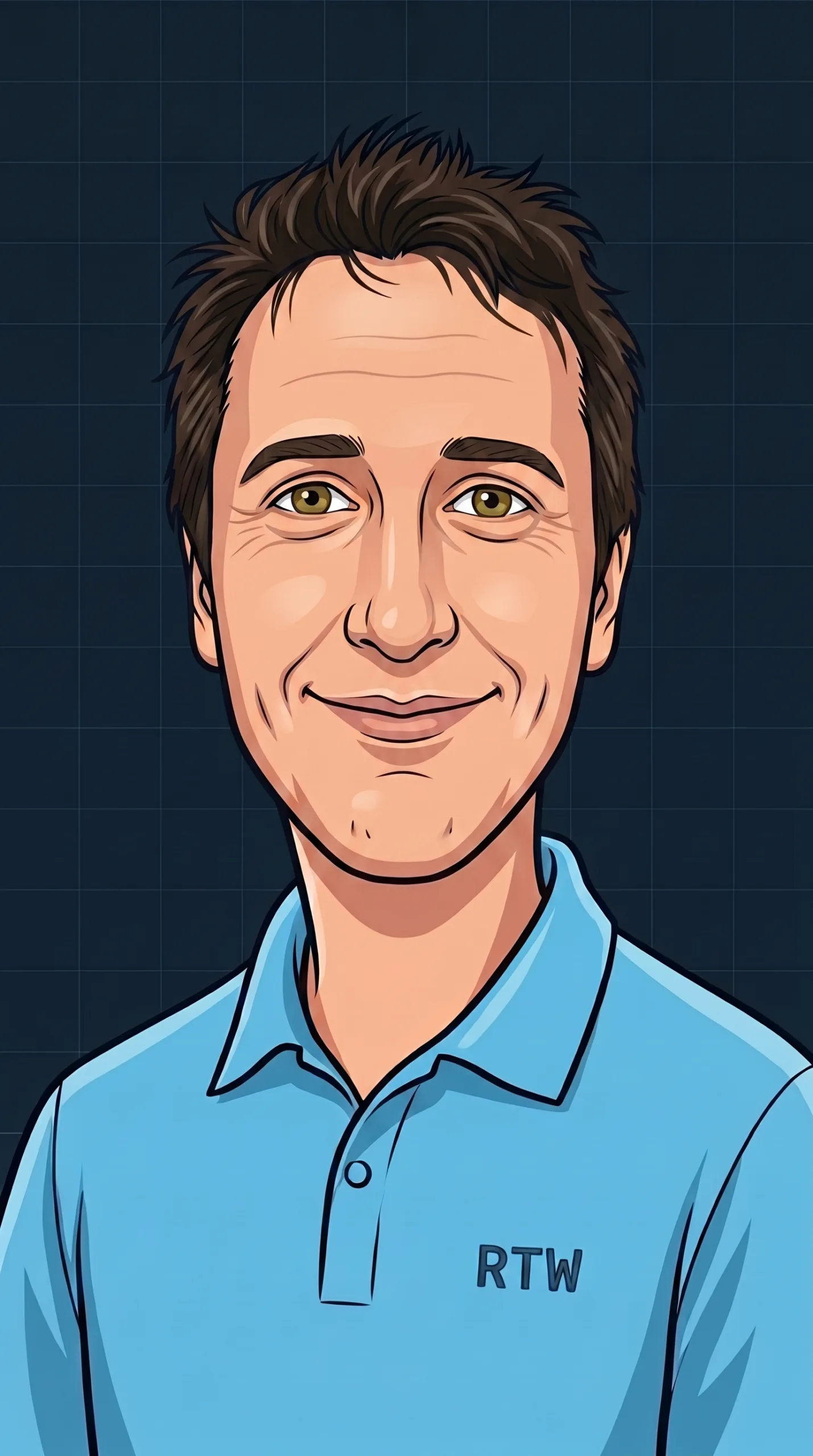 Numbers
#002
Numbers
#002
Keeps the numbers clean and the rest of us financially supervised. Basically the reason our ideas do not bankrupt us.
Great idea. Show me the spreadsheet.
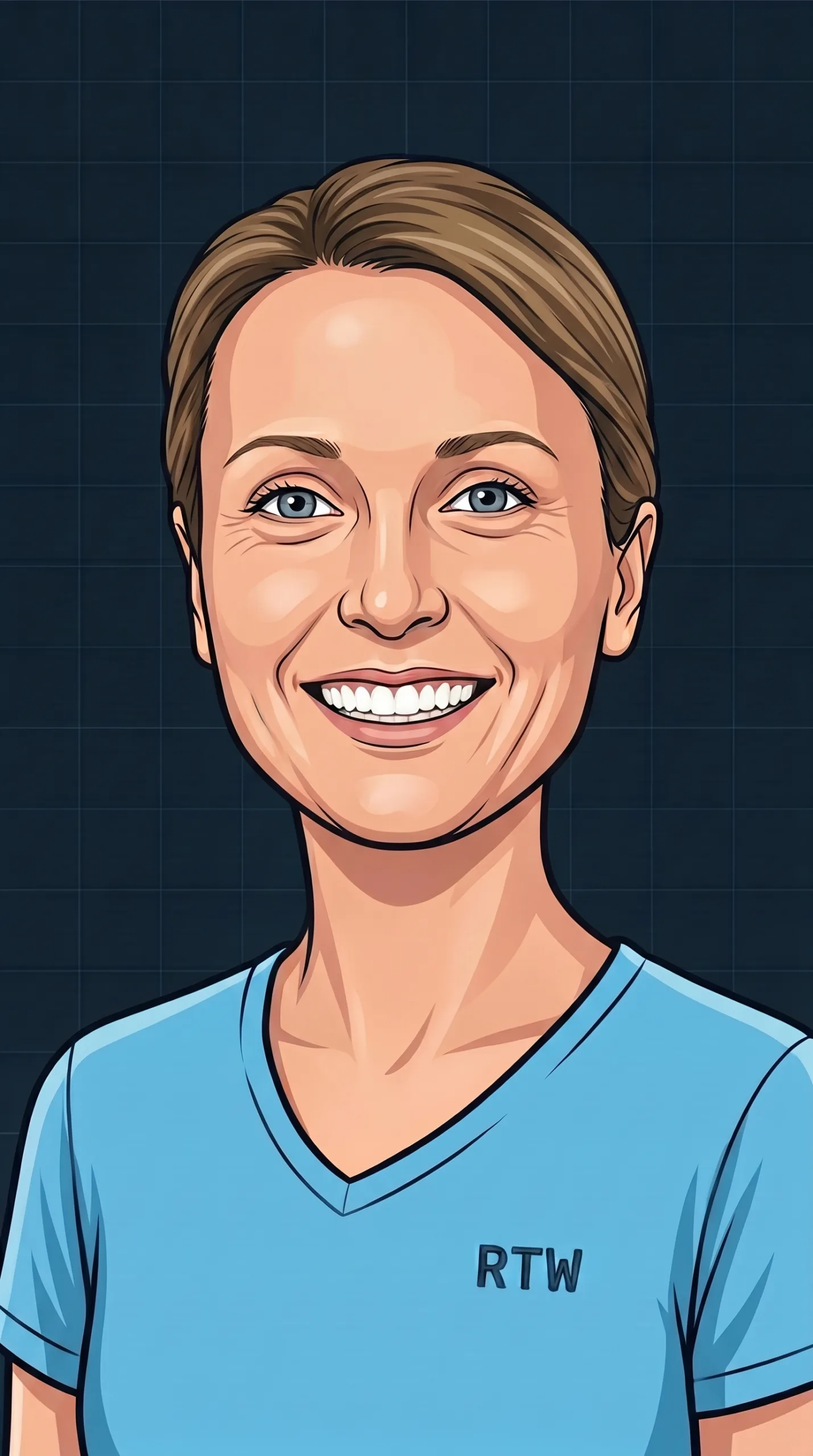 PM
#003
PM
#003
Turns chaos into timelines and "almost done" into actual done. The calm voice before every deadline storm.
Almost done needs a date.
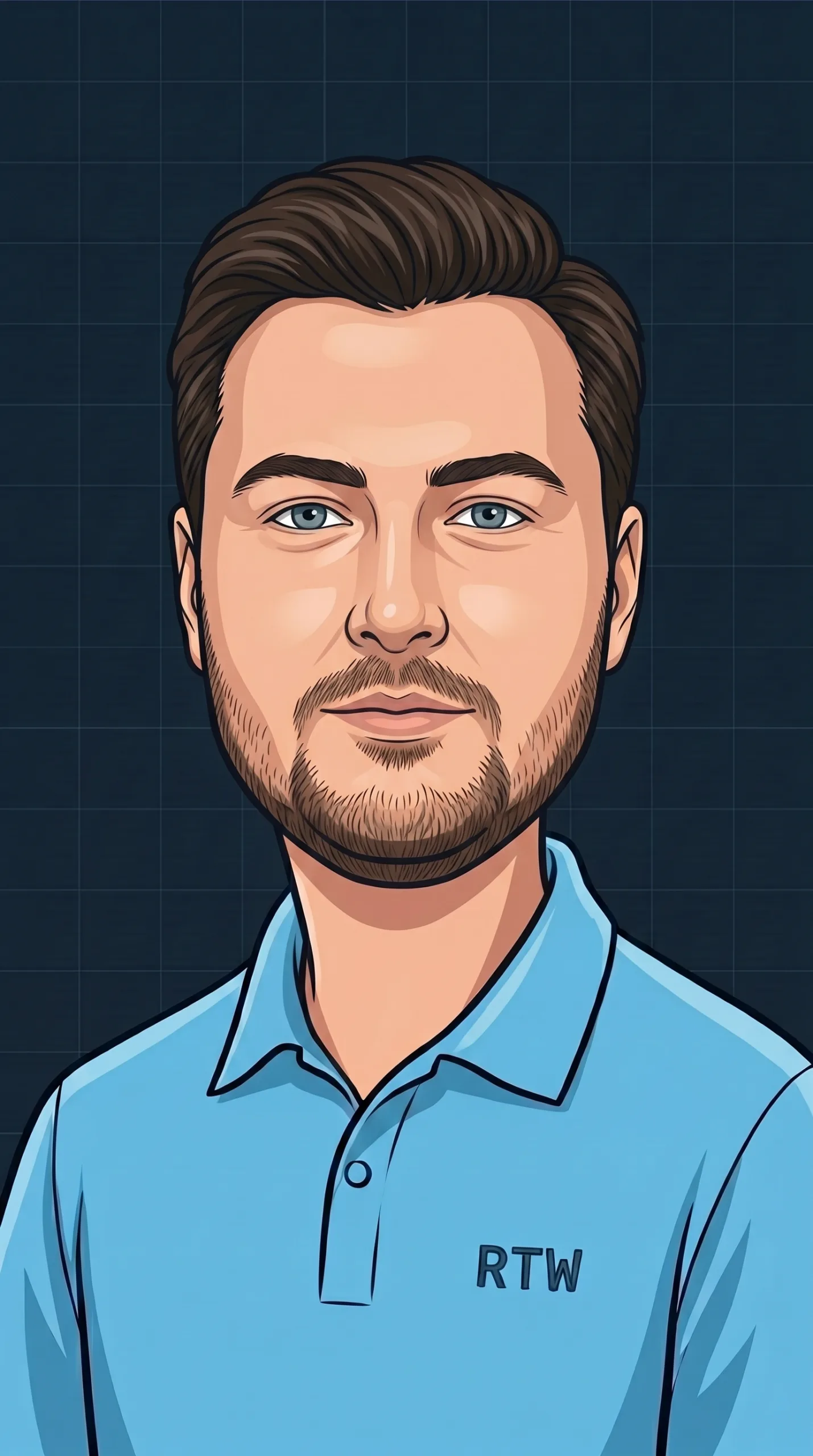 Dev
#004
Dev
#004
Builds things that work, then quietly makes them work better. Probably already fixed the bug you are about to report.
Fixed it while you were typing.
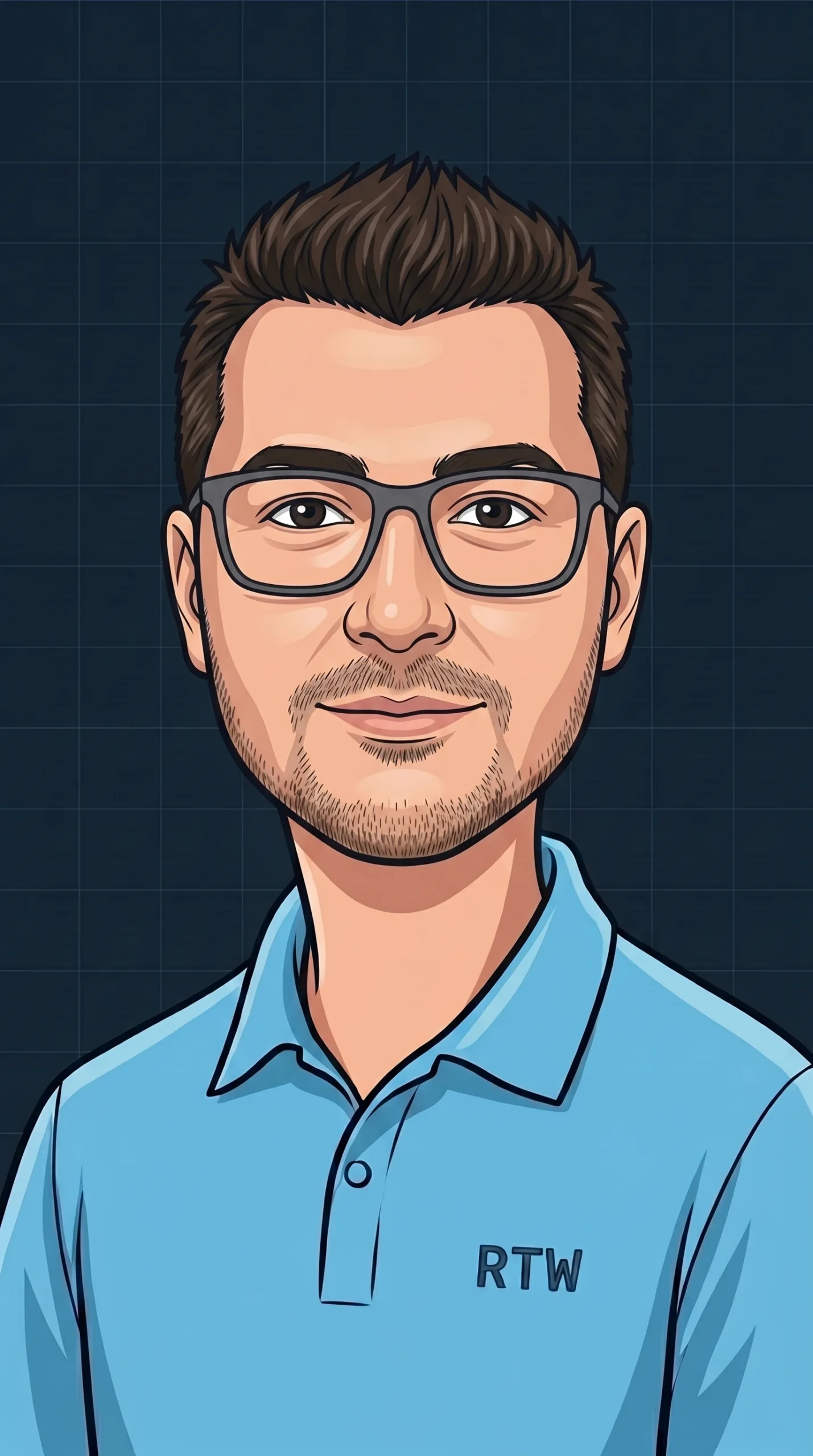 Dev
#005
Dev
#005
Solves complex problems with suspiciously calm energy. If the code is on fire, Stefan is already holding the extinguisher.
It is fine. I found the cause.
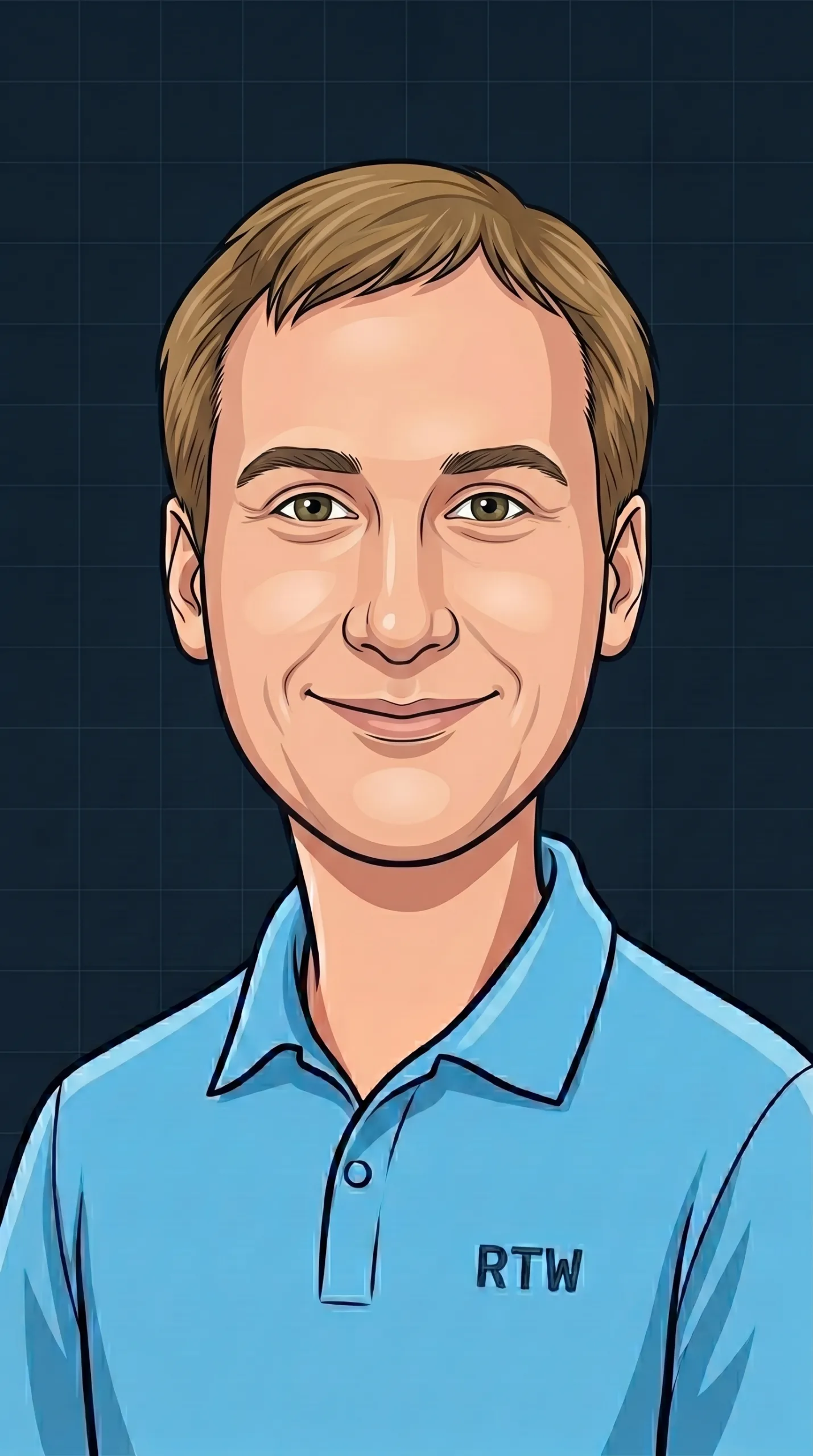 Jira
#006
Jira
#006
Knows every ticket, every status, and every excuse. Jira does not scare him - Jira listens to him.
If it happened, there is a ticket.
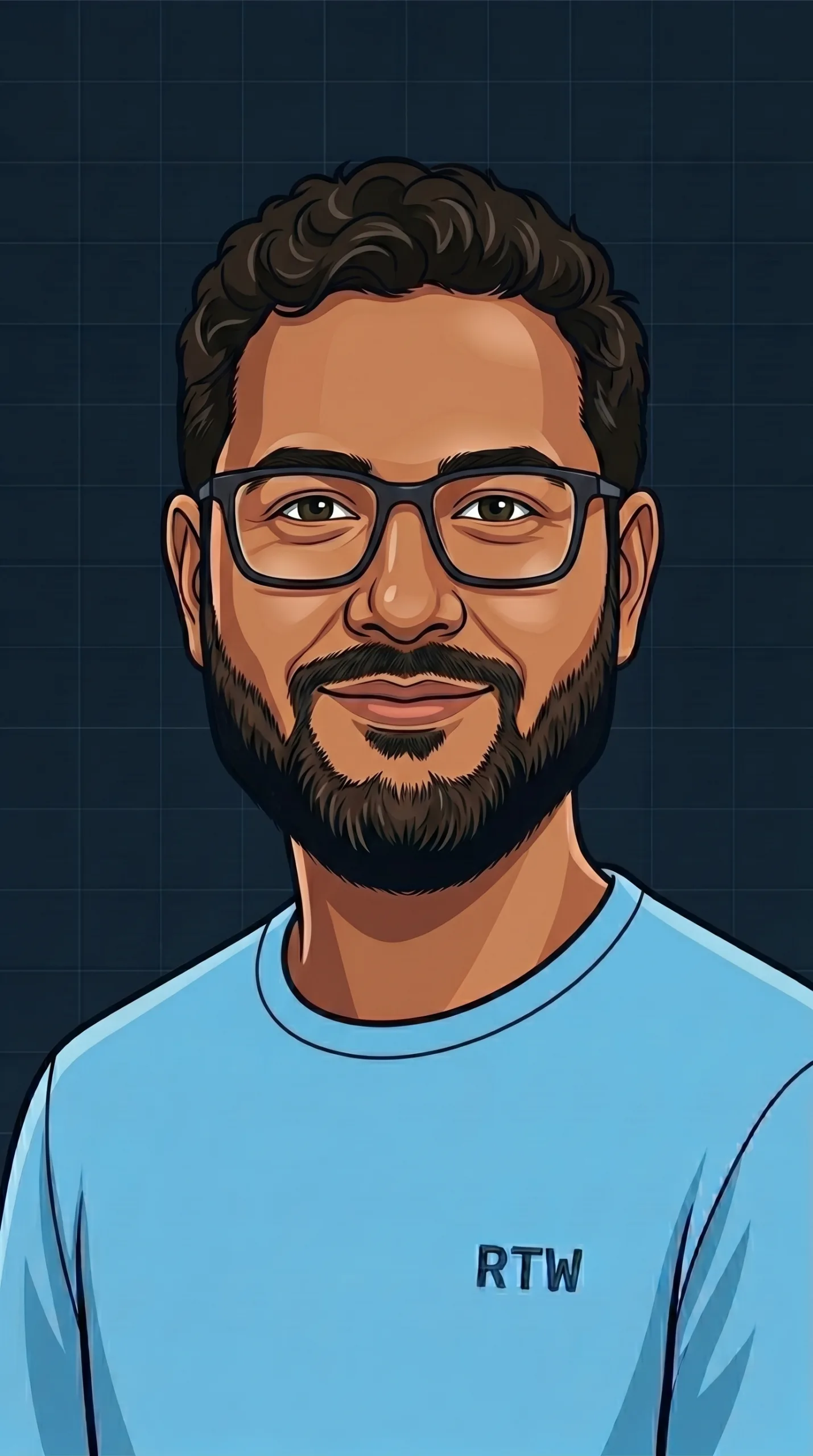 Dev
#007
Dev
#007
Builds clean React interfaces and extracts useful data from places that were absolutely not designed to share it politely.
The data is there. It is just hiding.
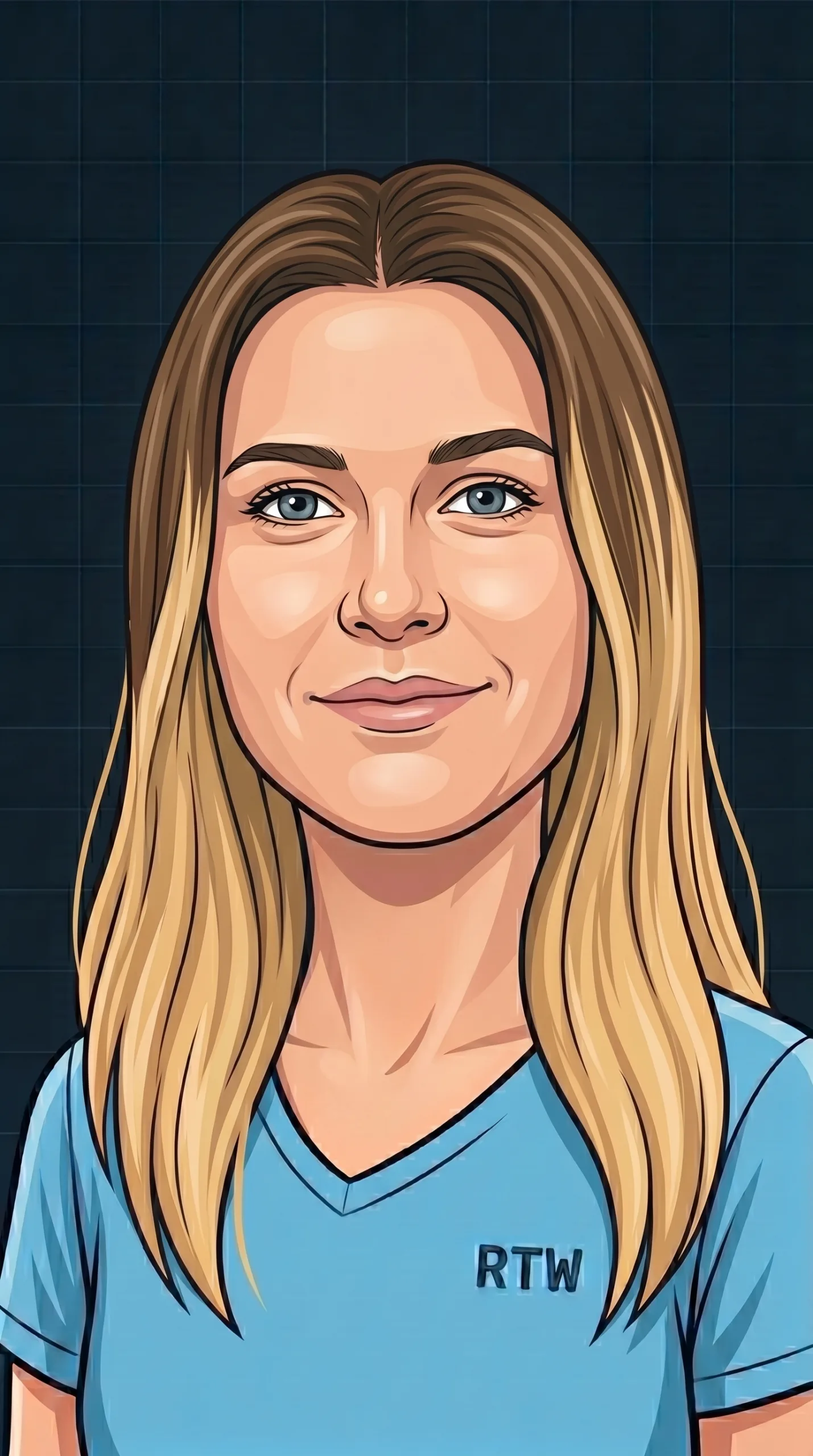 Dev
#008
Dev
#008
Moves comfortably between mobile screens, web pages, and JavaScript surprises. If it works on three devices, Ana probably had something to do with it.
One codebase, many ways to break it.
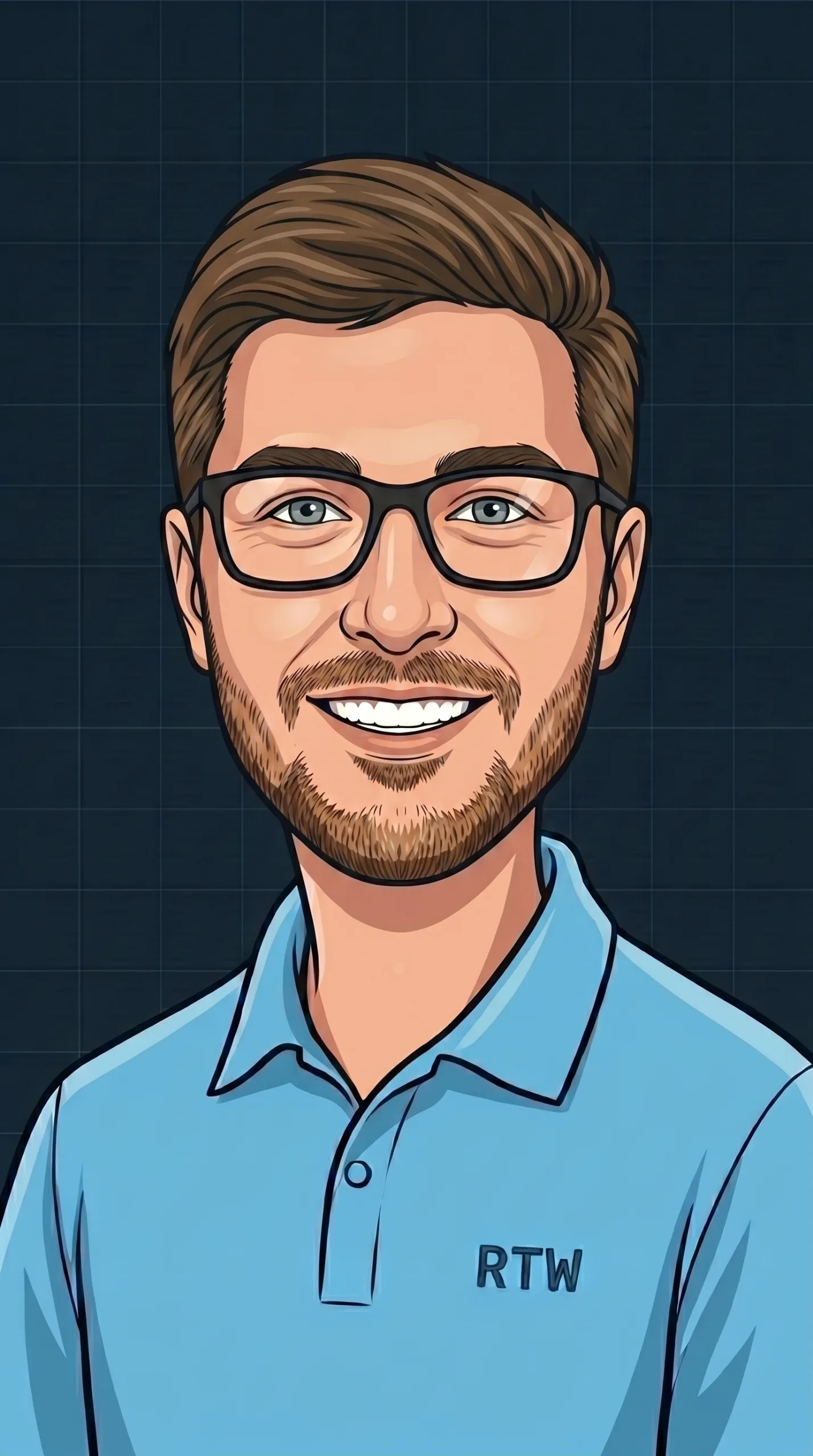 Dev
#009
Dev
#009
Turns complex front-end requirements into structured, typed, styled systems. Somehow makes TypeScript and SASS feel like they agreed on the plan.
The interface is responsive. So is the code.
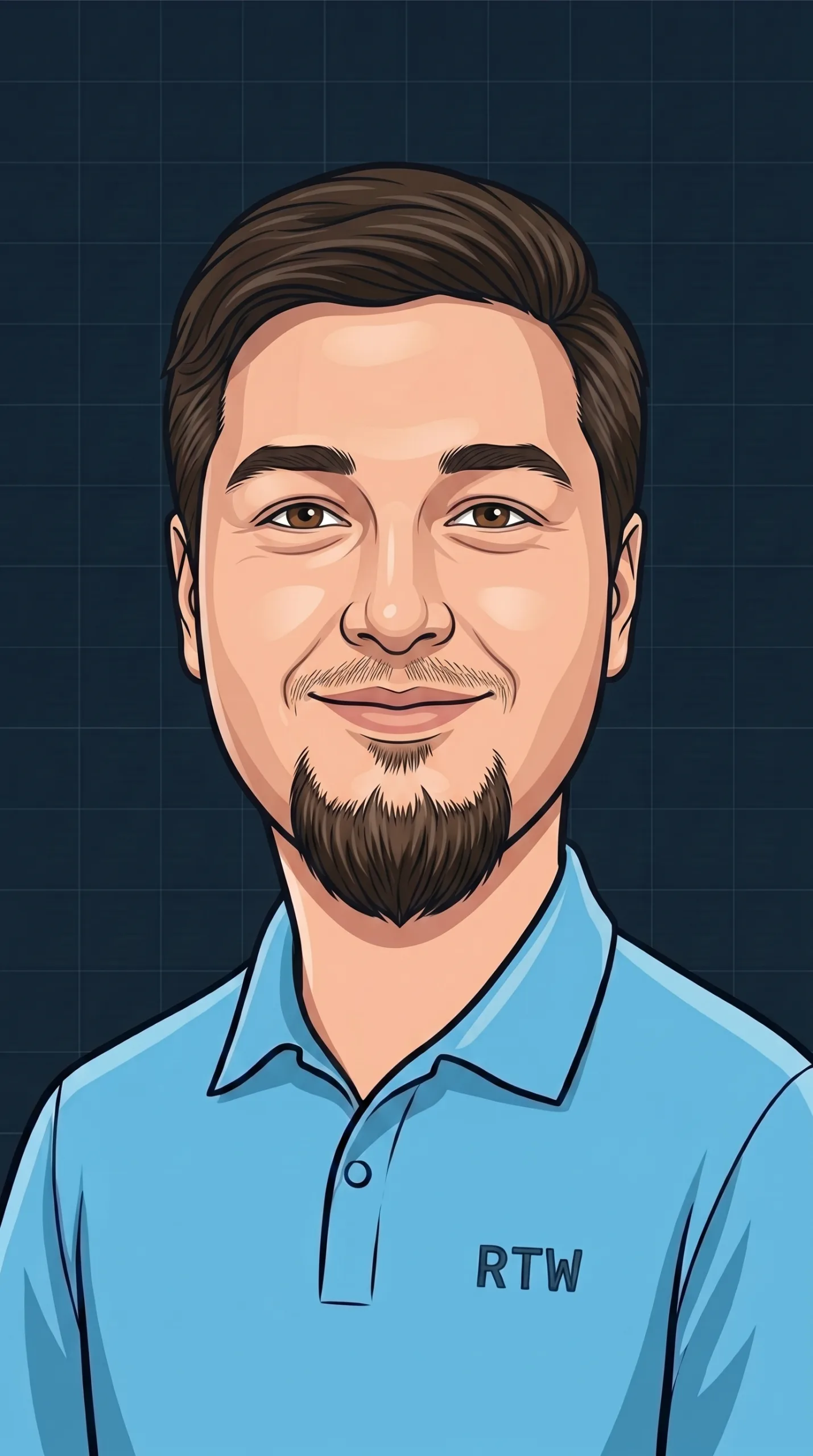 Dev
#010
Dev
#010
Speaks fluent modern stack and legacy stack, which means he can fix the new thing, the old thing, and the mysterious thing nobody wants to touch.
Yes, I found where that is coming from.
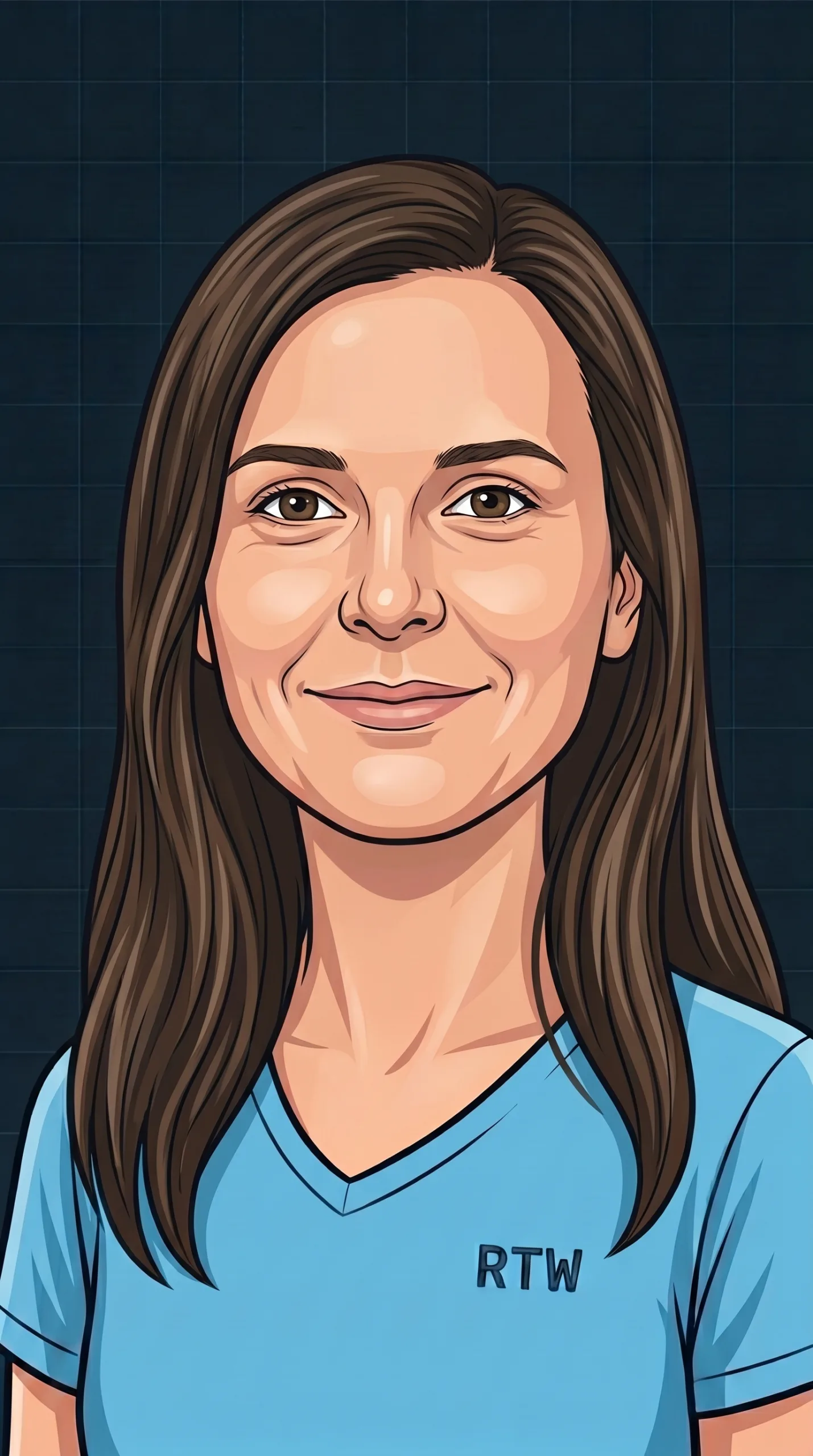 Dev
#011
Dev
#011
Builds front-end pieces with focus, patience, and just enough JavaScript bravery to keep the interface moving.
I make JavaScript behave. Most days.
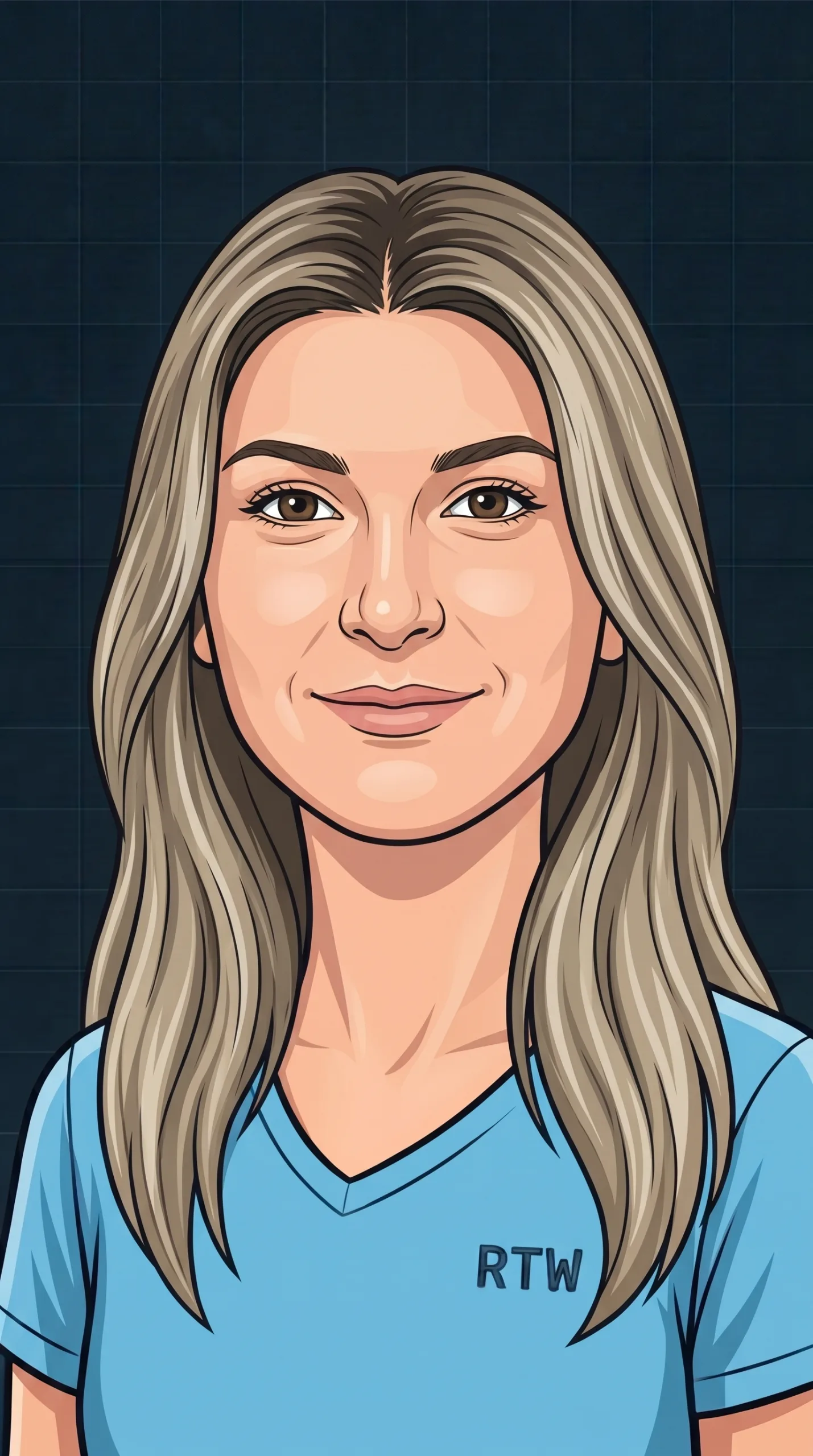 Dev
#012
Dev
#012
Makes the front end feel organized, usable, and less like a group project between browsers, breakpoints, and JavaScript.
If the layout breaks, I probably already know why.
 UI/UX
#013
UI/UX
#013
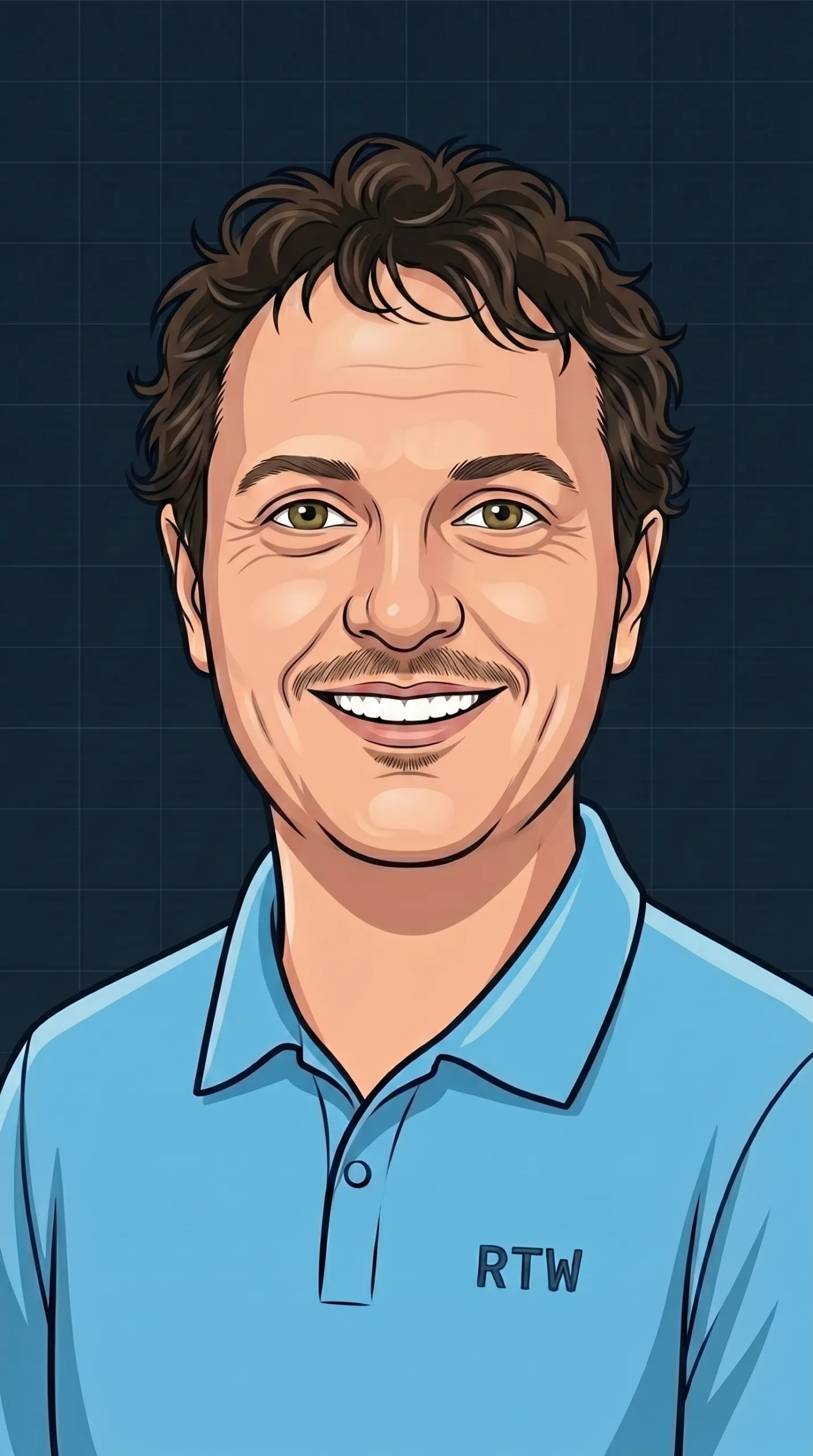
This title gets less accurate every week. At this pace, it is only a matter of time before it officially becomes Vibe Coder.
Design system first. Vibes second.
 Growth
#014
Growth
#014
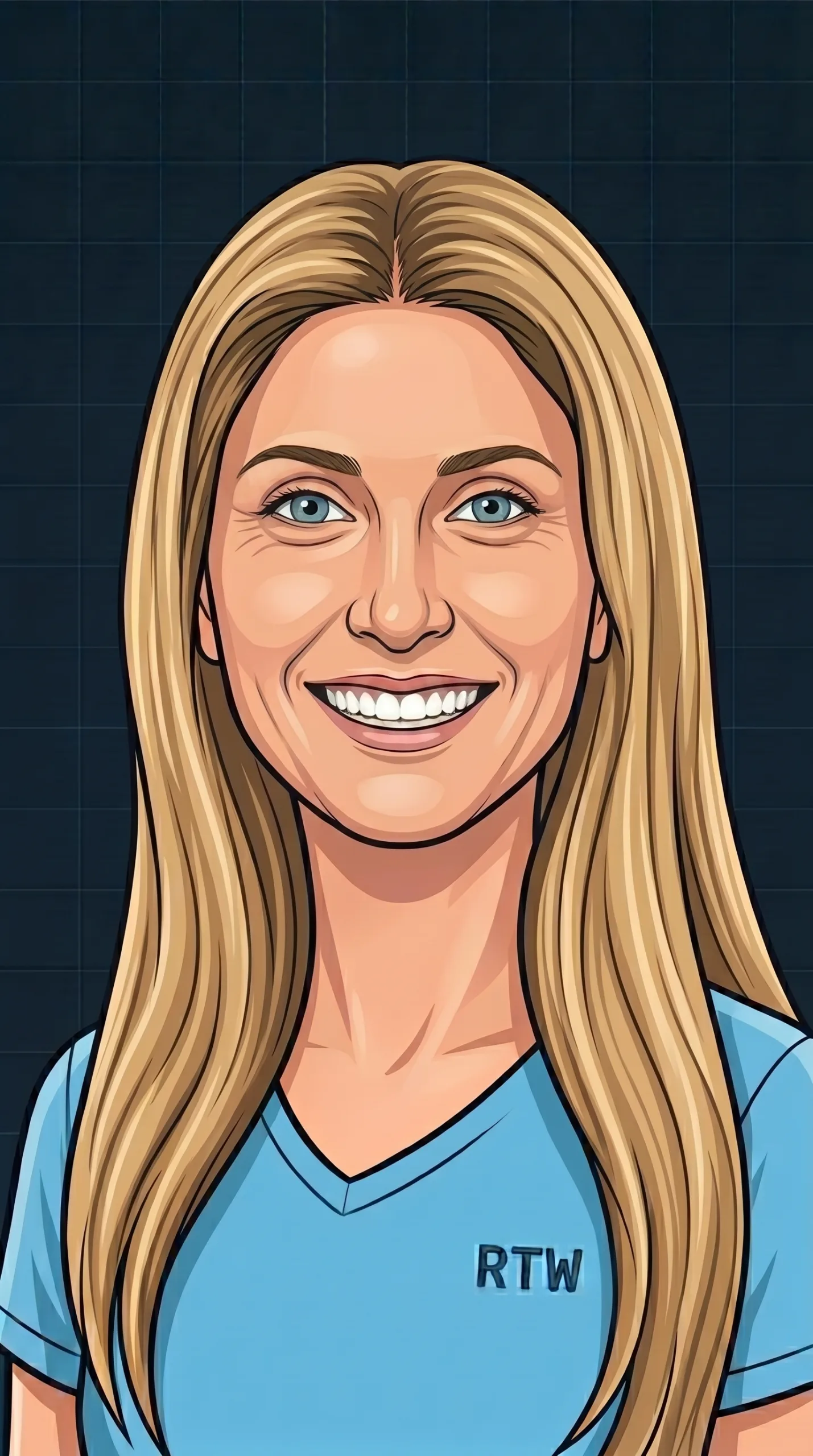
Officially Marketing, unofficially UI research, WordPress detective work, and data entry across 47 mysterious domains. Somehow still expected to "just post something" at the end.
Which domain is this one again?
 Founder note
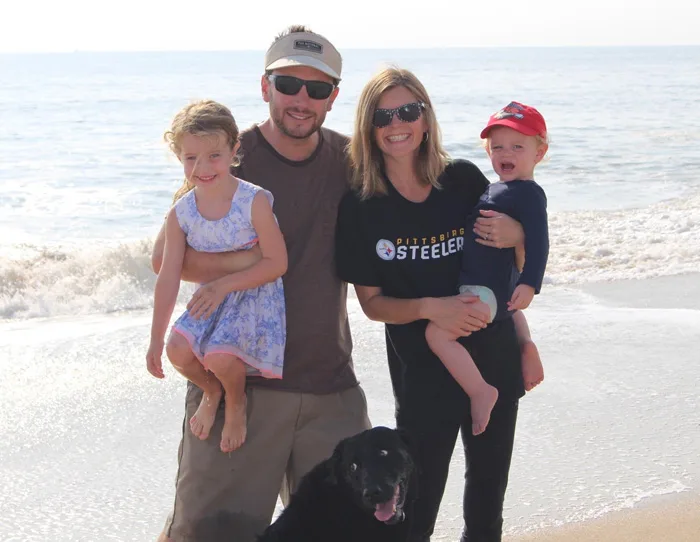
We strive to take on difficult and challenging projects while provide strong technical solutions. Working with WordPress and mobile applications has been thrilling and the future continues to be bright for these technologies. WordPress in particular is an extremely powerful and flexible platform that is ever improving and extremely customizable. We look forward to taking on any challenge you have for us…
Systems that last
CMS / apps / dashboards
The work gets messy
Plan / build / support
A fragile site, a manual workflow, a dashboard nobody trusts, an AI idea without guardrails, or a support gap nobody owns. We help turn that kind of mess into scope.
